
 LinkedIn
 Facebook
 X.com
X.com
 WeChat
 Email
Email
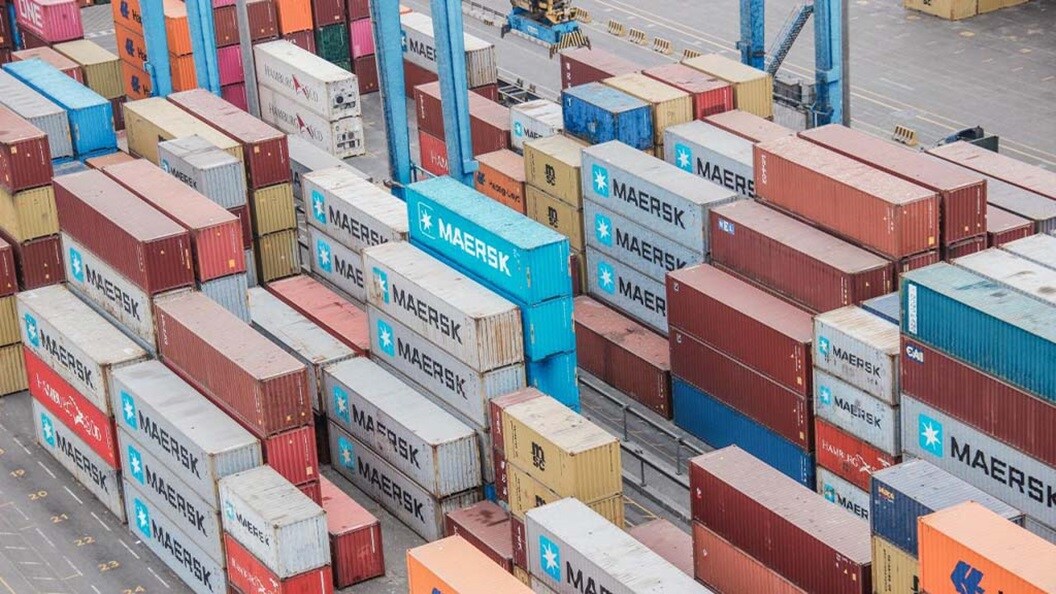
As part of our commitment to provide you with the most up-to-date and relevant information on the logistics industry, we share our Market Update on the Latin American market.
You will find information and interesting data on the update of the state of the ports, the most important transport routes and relevant news.
We hope you'll find the following information helpful, as well as inspiring to boost your business and keep your cargo moving.
Topic of the Month: 2025 Wrapped: A Year of Logistics Highlights in Latin America
As 2025 comes to a close, it’s clear that Latin America’s logistics landscape has been shaped by resilience, adaptability, and innovation. Throughout the year, our Topics of the Month explored critical themes, from building robust supply chains and managing disruptions to leveraging technology and preparing for seasonal peaks. Each article shared actionable strategies and insights to help businesses navigate complexity and thrive in a dynamic global market.
This end-of-year review brings all those conversations together in one place. Take a moment to revisit the topics that defined 2025, reflect on the lessons learned, and prepare for the opportunities ahead. Click each link to explore the full article.
Monthly Highlights

January: New Year, New Supply Chain: Top Resolutions for Resilience and Efficiency
We started the year by outlining five essential resolutions for supply chain success: embracing digital transformation, improving inventory management, strengthening supplier relationships, and preparing for disruptions. These strategies were designed to help businesses build resilience and efficiency in an unpredictable environment.
February: Managing Supply Chain Disruptions: Strategies for Success
February focused on one of the biggest challenges in logistics, disruptions. The article explored proactive measures such as supplier diversification, real-time visibility tools, and contingency planning. By implementing these strategies, companies can maintain continuity and minimize the impact of unexpected events.
March: Navigating the Post-Peak Season
March was all about reflection and recalibration after the high season. We highlighted the importance of inventory audits, cash flow management, and customer retention during quieter periods. Leveraging technology and automation during this time can set the stage for stronger performance in the next peak season.

April: Cracking the Easter Code: Challenges and Opportunities for Latin American Cocoa Chocolate Logistics
April brought a seasonal focus on Easter and the logistics behind cocoa and chocolate in Latin America. The article examined operational challenges and opportunities, emphasizing predictive inventory planning and AI-driven demand forecasting to meet festive demand efficiently.
May: Harvest Season Logistics: Moving Latin America’s Fresh Produce to the World
In May, we turned to the harvest season—a critical time for fresh produce exports. The discussion centered on cold chain coordination, real-time temperature monitoring, and digital visibility tools to preserve quality and meet global expectations. These strategies help transform seasonal pressure into long-term growth.
June: Mid-Year Momentum: Navigating Logistics Trends and Future-Ready Strategies
June marked a mid-year checkpoint to assess logistics trends and prepare for the second half of the year. We explored the growing role of generative AI, enhanced visibility solutions, and evolving customs processes. Continuous improvement and innovation remain key to staying competitive.

July: Holiday Readiness Starts Now: Planning Ahead for Year-End Chain Demands
July emphasized the importance of early planning for year-end demand surges. The article covered multimodal transport solutions, risk mapping, and predictive labor forecasting. Companies that prepare ahead can turn seasonal challenges into strategic advantages.
August: Not Just Data Decisions – Redefining Visibility with Real-Time Action
In August, we redefined visibility as more than just data access—it’s about real-time action. The feature highlighted dashboards, predictive analytics, and automated alerts that enable proactive decision-making. This shift helps businesses anticipate disruptions and build trust with customers.
September: Designing Resilient Supply Chains for a Disruptive World
September focused on resilience as a core priority. We explored strategies like multi-sourcing, decentralized warehousing, and dynamic routing to adapt to uncertainty. In a region facing environmental and regulatory challenges, resilience is no longer optional—it’s essential for long-term success.
October: Unlocking Simplicity: How to Streamline Logistics in a Complex Region
October examined how Latin America’s logistics landscape is evolving amid geopolitical shifts, regulatory fragmentation, and rising consumer expectations. The article highlighted strategies such as digital integration, agile procurement, and strategic partnerships to simplify operations and thrive in a fragmented trade environment.
November: Lessons from Past Peak Seasons: How Latin American Logistics Are Adapting in 2025
November explored how logistics teams across Latin America are applying lessons learned from past disruptions to navigate peak season with greater agility and foresight. The article highlighted earlier planning powered by AI, technology-driven operations, partnerships with integrators, and diversification strategies that build resilience and turn complexity into competitive advantage.
2025 has been a year of transformation for logistics in Latin America. From embracing digital integration and agile procurement to strengthening resilience and sustainability, each topic offered practical strategies to navigate complexity and thrive in a fast-changing trade environment. These lessons are not just relevant for the past, they are the foundation for the future.
We invite you to revisit these articles, reflect on the insights shared, and consider how they can inspire your own strategies for the year ahead. Each link is an opportunity to deepen your understanding of trends that are shaping global and regional supply chains.
As we look toward 2026, expect even more conversations on innovation, technology, and resilience. The challenges will continue, but so will the opportunities to lead with agility and foresight. Stay connected, stay informed, and let’s make the coming year a milestone for smarter, more resilient logistics across Latin America.
Ocean updates
| Trade lane | Comments |
|---|---|
|
Trade lane
North America and Intra-America to East Coast of South America
|
Comments
USEC : Weekly calls to Rio de Janeiro will resume starting with Maersk Monte Alegre v.549S, expected to arrive in Philadelphia on December 4. |
|
Trade lane
East Coast of South America to Intra-Americas
|
Comments
TANGO Service Adjustments: The suspension of Norfolk calls has been extended. Cargo will be handled via transshipment in Cartagena. Additionally, Rio de Janeiro will return to a weekly call starting with Monte Azul 551N, ETA Rio de Janeiro on December 29. ECSA Shuttle – New Rotation: Starting November, the ECSA Shuttle operates on a biweekly basis with the following rotation: Paranagua → Santos (DP World) → Manzanillo (Panama). This setup improves connectivity to the Caribbean, the U.S., and South America’s West Coast, providing greater flexibility for regional and intercontinental shipments. |
Main port status
ECSA: Terminals across East Coast South America continue to face operational pressure. Santos shows improved berthing performance, with on-window waiting times now minimal and yard utilization balanced. Paranagua and Itapoa remain under high yard pressure, with occasional congestion and longer waits for vessels arriving off-window. Bad weather continues to impact operations and schedules. Montevideo is recovering, though weather interruptions. Rio Grande has started attending vessels on time, and yard pressure is decreasing. Buenos Aires remains impacted by operational constraints, with the cruise season adding potential channel delays.
WCSA: Performance remains uneven across the region. While some terminals report improved productivity, others—including Callao and Guayaquil—are under close monitoring due to congestion and hypercare measures.
CAC: Conditions are generally stable, with Panama and Cartagena maintaining fluid operations. Minor delays may occur for vessels arriving off-window, but overall flow remains strong.

| 1-3 Days | 4-7 Days | |
|---|---|---|
|
Latin America
|
1-3 Days
Santos BTP, Santos DPW, Buenos Aires, Salvador, Rio de Janeiro - ICTSI/MultiRio, San Lorenzo
|
4-7 Days
Santos Brasil, Paranagua, Itapoa, Suape, Rio Grande
|
|
Rest of World
|
1-3 Days
Houston BP
|
4-7 Days
|
Landside updates
Central America, Andina and the Caribbean Sea Area
El Salvador, Nicaragua, Guatemala, and Honduras: We recently issued an advisory outlining approximate equipment weights for inland transportation in these countries. These figures reflect standard configurations for 2- and 3-axle chassis, tractors, and containers, serving as a reference for shipment planning and compliance with permitted limits. For Store Door and Multicarrier services, we continue coordinating inland haulage closely with customers to maintain smooth operations, particularly during peak-demand periods.
Honduras: Vehicle imports remain steady, with increased arrivals at Puerto Cortés toward year-end. Timely coordination of inland movements is essential to avoid congestion and idle time at yards.
Panama: Seasonal volume increases toward year-end can lead to congestion at transshipment terminals. Multimodal inland solutions via Panama help maintain flow and reduce transit times for cargo moving to Central America.

Highlights
Supply chains of Latin America: Strengthened by pillars of resilience
In collaboration with FT Longitude, we explored the various factors of resilience that will benefit supply chain operations and in turn the growth of the businesses. Explore the pillars of resilience here.
Learn more from the global Maersk team
Learn what’s happening in our regions by reading our Market Updates by region.
Europe
North America
Asia Pacific
Be sure to visit our “Insights” pages where we explore the latest trends in supply chain digitalisation, sustainability, growth, resilience, and integrated logistics.


