 LinkedIn
 Facebook
 X.com
X.com
 WeChat
 Email
Email
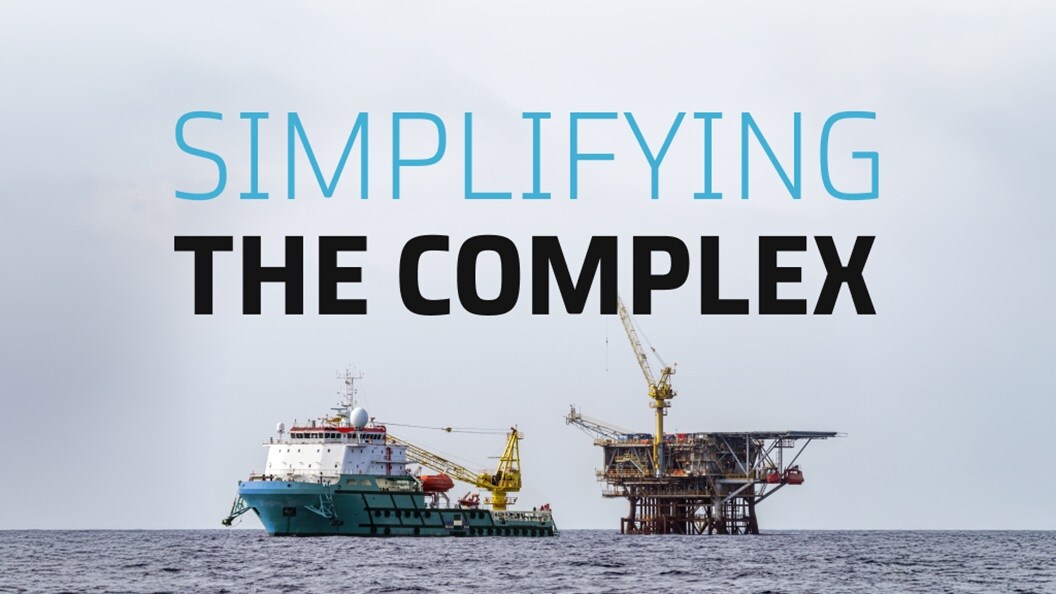
Facing today’s Oil & Gas logistics challenges: insights from Maersk Project Logistics (MPL) Webinar
The Oil & Gas sector continues to operate in one of the most demanding environments in the world. From remote project sites to increasingly complex supply chains, logistics has become a critical success factor in ensuring energy projects stay on track.
During Maersk’s recent MPL Webinar:
“Facing logistics challenges in the Oil & Gas Market,” experts from Zentech Inc., Tiger Rentank and Maersk shared their perspectives on the challenges shaping the industry and the strategies companies can adopt to stay ahead.
Understanding the complex logistics landscape in Oil & Gas
Oil & Gas projects involve a unique combination of global supply chains, technical requirements and high-stakes operations. This combination intensifies the pressure on logistics providers to deliver on time, reduce risk and ensure complete transparency.
The panel unanimously agreed: the industry’s challenges have evolved, but so have the solutions. Today’s logistics strategy must integrate technology, visibility, specialised expertise and long-term planning.
Delivering oversized cargo: precision, planning and resilience
One of the most persistent challenges in the industry is the safe, timely movement of oversized and heavy cargo. Maersk’s Roberto Fernaine highlighted the importance of scenario planning and proactive risk management – especially when handling multi-ton shipments.
He referenced the Eneva project, in which Maersk transported oversized cargo into the remote region of Silves, Amazonas, Brazil, including:
- two 230‑ton WEG transformers; and
- one 175‑ton unit
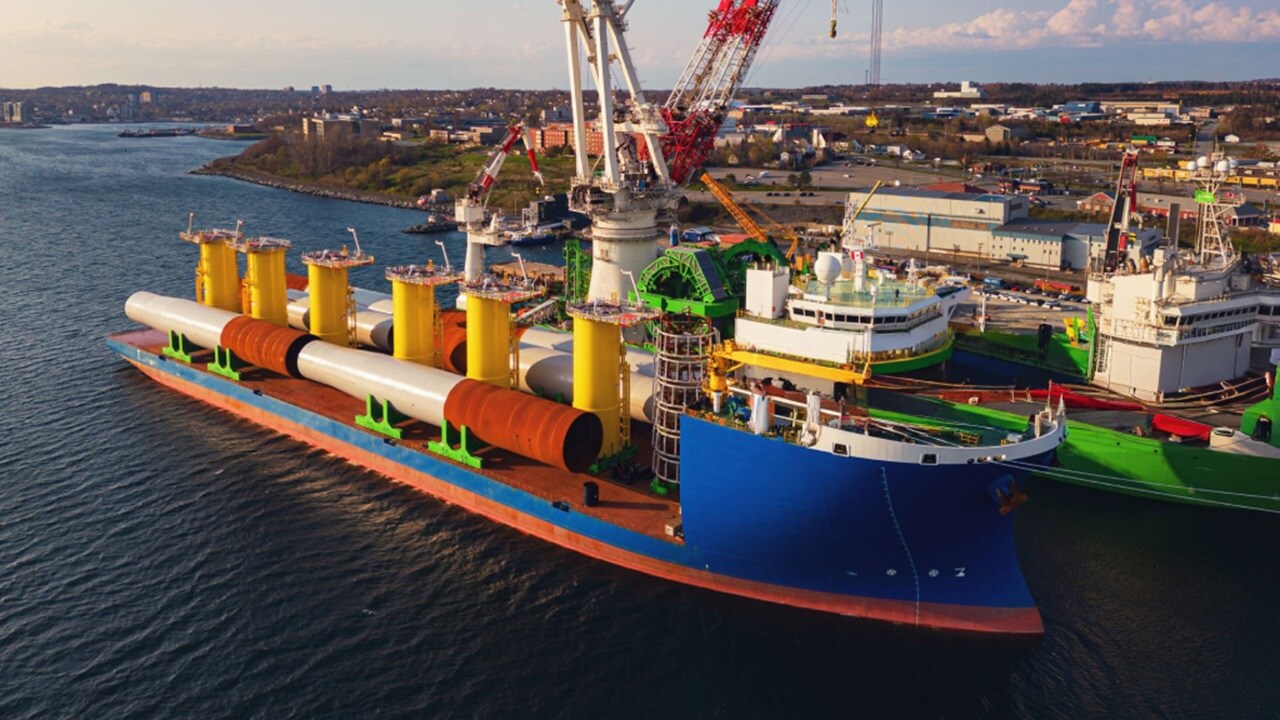
Precision planning is the key to maintaining delivery timelines when disruptions occur.
Reducing delays and risks: preparing before problems arise
Delays in Oil & Gas logistics can quickly escalate into financial loss – or even temporary shutdowns. Zentech’s Howdrey Couto Jacinto explained that the most effective strategy involves:
- Early risk identification
- Supplier alignment
- Clear communication protocols
- Scenario-based contingency plans
Drawing from offshore drilling operations, Jacinto emphasised that companies must build agility into their logistics model, ensuring that when critical components are at stake, response times are minimised.
Real-time visibility: transforming logistics with technology
Tiger Rentank’s Lauricio Bassi reinforced that visibility remains one of the most powerful enablers for operational control – yet adoption is still uneven across the industry.
He explained how MPL is now using integrated dashboards and monitoring tools to provide real-time visibility for ongoing projects, helping customers make faster, better decisions.
Despite technological progress, the biggest barriers include:
- Lack of standardisation between partners
- Fragmented legacy systems
- Organisational hesitancy to adopt digital tools
However, the direction is clear: in Oil & Gas logistics, visibility is no longer optional – it’s a competitive advantage.
Coordinating complex, long-distance supply chains
Coordinating multiple stakeholders – each with distinct priorities – remains one of the industry's core challenges. The panel recommended practices such as:
- Centralised communication hubs
- Shared visibility platforms
- Integrated logistics planning
- Digital documentation and milestone controls
- Collaboration between engineering, project management and logistics teams
For long-haul international projects, a unified strategy is now essential.
Logistics for offshore drilling: safety, quality, and cost efficiency
A recurring question in offshore operations is whether safety, quality and cost can coexist. Both Howdrey Jacinto and Lauricio Bassi argued that not only is it possible – it is required.
Success depends on:
- Proven safety protocols
- Specialised offshore-ready teams
- Qualified marine assets
- Clear chain-of-command structures
- Integrated planning between operators and logistics partners
Roberto Fernaine added that Maersk’s global network and project logistics expertise contribute to ensuring these standards remain uncompromised.
Accessing remote locations: strategies that work
Remote locations – from jungles and deserts to isolated river ports and offshore platforms – require tailored logistics strategies.
Roberto highlighted Maersk's experience handling difficult terrains and environments in Latin America, referencing:
- Riverine transport solutions
- Custom mooring setups
- Heavy-lift engineering
- Steam generator mobilisations
In the case of the Eneva transformers delivered to Silves-AM, specialised river barges and controlled navigation windows were essential to success.
Future trends: what will shape the next era of Oil & Gas logistics?
Looking ahead, the panel identified several trends likely to transform the industry:
- End-to-end logistics integration to eliminate silos
- Increased use of AI for forecasting, planning and risk detection
- Stronger demand for visibility and digital tracking
- Growth in sustainable and low-emission logistics models
- Higher expectations for speed, reliability and specialisation
The consensus: integrated logistics partners will play a decisive role in project efficiency moving forward. Invest in planning, visibility, and collaboration – these remain the cornerstones of successful Oil & Gas logistics.
Whether navigating oversized cargo, remote access, risks or the future of digitalisation, organisations that partner with experienced integrators will be best positioned to thrive.
Do you want to learn more about Maersk Project Logistics? Get to know our comprehensive services here.
Wish to revisit the webinar?
Thank you for reaching out!
We’ll get in touch with you shortly.
Please be aware that if you’re new to Maersk, you’ll first receive an email to verify your information before we can reach out.
If you want easy access to our products and services, you can also create an account here:
We're sorry - there was a problem processing your contact request.
Please review the form fields and ensure all required information is provided correctly. If the issue persists, please contact our support team for further assistance.
Wish to revisit the webinar?
Fill out the form below and we’ll share a link to download the session recording.


