
 LinkedIn
 Facebook
 X.com
X.com
 WeChat
 Email
Email
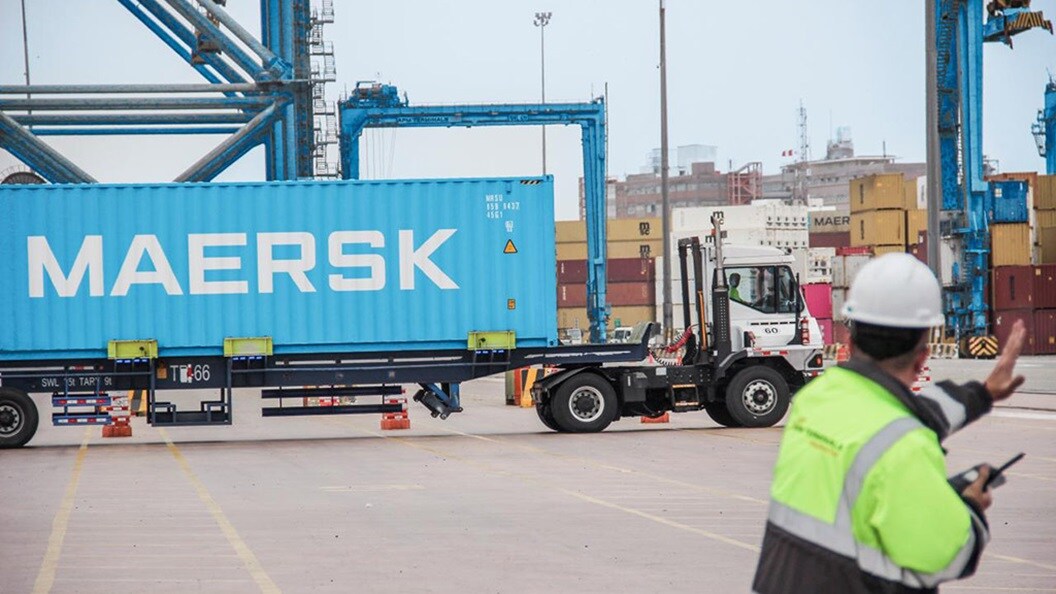
Topic of the Month: Nearshoring and Regionalization: Reshaping Trade Flows in Latin America
Over the past decade, global companies have been rethinking how and where they produce, source, and distribute goods. As a result, two closely connected trends have gained momentum across international trade: nearshoring, which brings production closer to end-consumer markets, and regionalization, which strengthens supply chains within the same geographic region to reduce reliance on distant suppliers and complex trade routes. What began as a strategy to mitigate risk has evolved into a broader transformation that is reshaping investment decisions, manufacturing footprints, and trade flows worldwide.
In Latin America, these trends are already generating tangible changes. Companies across multiple industries are expanding manufacturing operations, relocating production capacity, and redesigning logistics networks to improve responsiveness and resilience. Countries such as Costa Rica have strengthened their position as hubs for advanced manufacturing, while Panama continues to leverage its strategic location, Free Trade Zones, and logistics infrastructure to support regional distribution activities. Guatemala and other Central American markets are also attracting investment from manufacturers seeking shorter transit times and greater flexibility in serving North American consumers.
Several factors have accelerated this shift. Ongoing efforts by multinational companies to diversify suppliers and reduce concentration risks, combined with disruptions caused by the COVID-19 pandemic, geopolitical tensions, and changing trade dynamics, have highlighted the importance of more resilient and geographically diversified supply chains. For businesses operating in Latin America, nearshoring and regionalization are no longer emerging concepts. They are structural trends that are actively influencing trade flows, investment patterns, and the future of regional logistics networks.

The Forces Reshaping Global Supply Chains
Building resilient supply chains has become a strategic priority for companies worldwide. Beyond simply managing disruptions, resilience today means having the ability to adapt quickly to changing market conditions, diversify sourcing strategies, maintain operational continuity, and improve visibility across logistics networks. As a result, many organizations are reassessing where they manufacture, source, and distribute products, with a growing focus on flexibility and risk diversification.
This shift has been accelerated by a series of events that exposed vulnerabilities in highly concentrated global supply chains. The COVID-19 pandemic disrupted production and transportation networks on an unprecedented scale, while other geopolitical events generated volatility across global energy, agricultural, and commodity markets. More recently, disruptions to commercial shipping routes in the Red Sea have increased transit times and logistics costs, highlighting the risks associated with long and complex supply chains.
At the same time, evolving trade relations between different countries have encouraged companies to reassess their global production footprints. Since 2018, tariffs, technology restrictions, and broader geopolitical considerations have increased uncertainty for businesses operating across major trade corridors. These developments have accelerated efforts to diversify suppliers and manufacturing locations, reducing dependence on a single market and strengthening supply chain resilience.
As a result, many companies have adopted China+1 strategies, maintaining operations in China while expanding production into alternative manufacturing hubs across Asia and Latin America. According to an Economist Impact study supported by J.P. Morgan, 96% of surveyed executives reported adjusting their business operations in response to geopolitical events, underscoring how supply chain diversification has become a competitive necessity rather than a strategic option.
For Latin America, these shifts are occurring alongside broader structural changes that are transforming regional logistics. According to Maersk's report Five Forces Reshaping Logistics in Latin America, companies are navigating a combination of supply chain diversification, evolving trade patterns, digital transformation, sustainability requirements, and changing consumer expectations, all of which are influencing sourcing decisions and regional freight flows. Together, these forces are strengthening the business case for nearshoring and regionalization across the region.
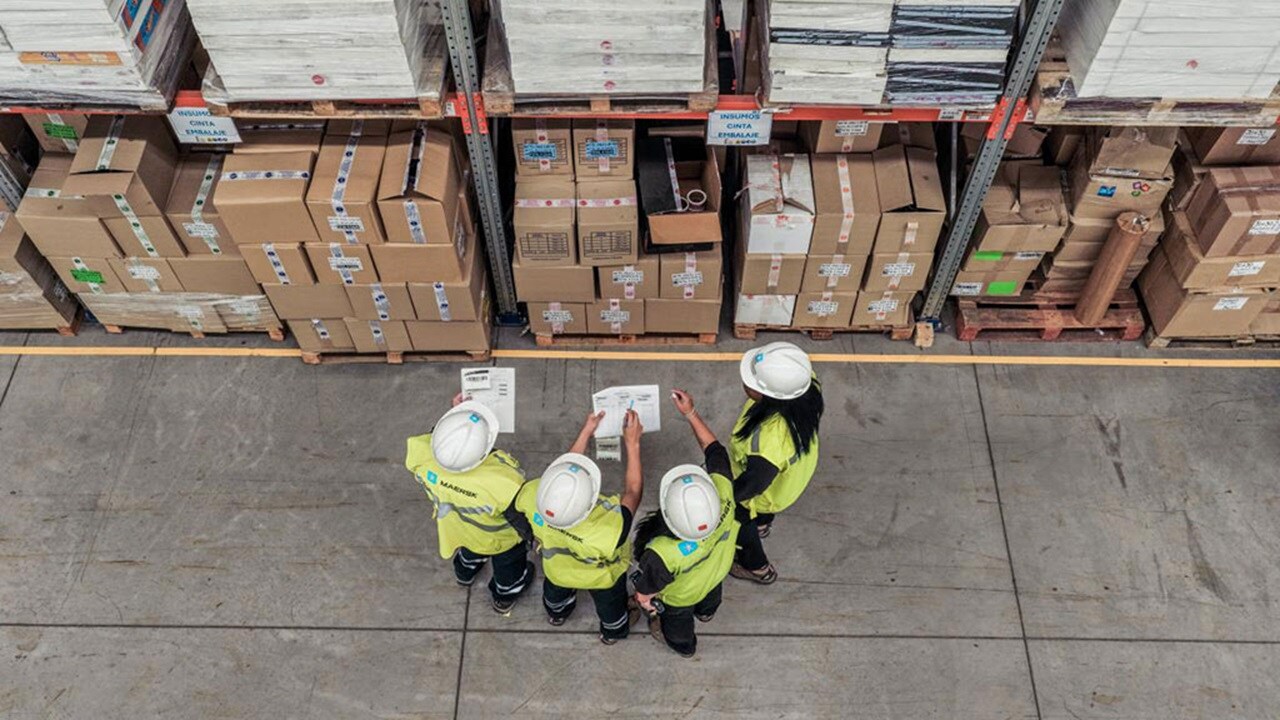
How Trade Flows Are Evolving in Latin America
As companies diversify sourcing strategies and redesign supply chains to improve resilience, Latin America is becoming increasingly integrated into global value chains. The opportunity extends beyond attracting manufacturing facilities and includes expanding exports of strategic minerals, energy products, agricultural commodities, advanced manufacturing goods, and business services. As demand grows for geographically diversified suppliers, the region is strengthening its role as both a production platform and a logistics gateway for global trade.
The potential impact is significant. According to the Inter-American Development Bank (IDB), nearshoring could generate approximately US$78 billion in additional annual exports for Latin America and the Caribbean, including US$64 billion in goods exports and US$14 billion in services exports. These projections reflect the region's competitive advantages, including proximity to North American markets, abundant natural resources, expanding industrial capabilities, and an extensive network of trade agreements.
While Mexico is expected to capture a good amount of share of nearshoring-related investment and trade growth, opportunities are emerging across the broader region. Countries such as Brazil, Chile, Colombia, Peru, Costa Rica, Guatemala, and Panama are strengthening their positions within different segments of global value chains:
- Brazil continues to expand its role in automotive manufacturing, aerospace, agribusiness, and renewable energy.
- Chile and Peru remain critical suppliers of copper and other minerals essential for electrification, renewable energy infrastructure, and data center development.
- Colombia benefits from its strategic location and growing services and technology sectors.
- Costa Rica has consolidated its position as a leading hub for medical device manufacturing and advanced production.
- Guatemala is attracting investment from textile and apparel manufacturers seeking shorter lead times and greater responsiveness to North American demand.
- Panama continues to strengthen its role as a regional logistics, warehousing, and distribution center through its connectivity and Free Trade Zone ecosystem.
These developments are already influencing regional trade flows. In addition to increased exports to the United States, companies are strengthening intra-regional supply chains, sourcing more inputs from neighboring countries, and establishing regional distribution networks that allow inventory to be positioned closer to end markets. As a result, freight movements across Latin America are becoming more interconnected, generating new opportunities for multimodal transportation, warehousing, cross-border trade, and logistics integration.
For businesses operating in the region, nearshoring is not only increasing trade volumes but also changing the way goods move across supply chains. The growing importance of regional manufacturing hubs, distribution centers, and strategic logistics corridors suggests that trade flows within Latin America will continue evolving as companies seek greater agility, resilience, and proximity to key consumer markets.
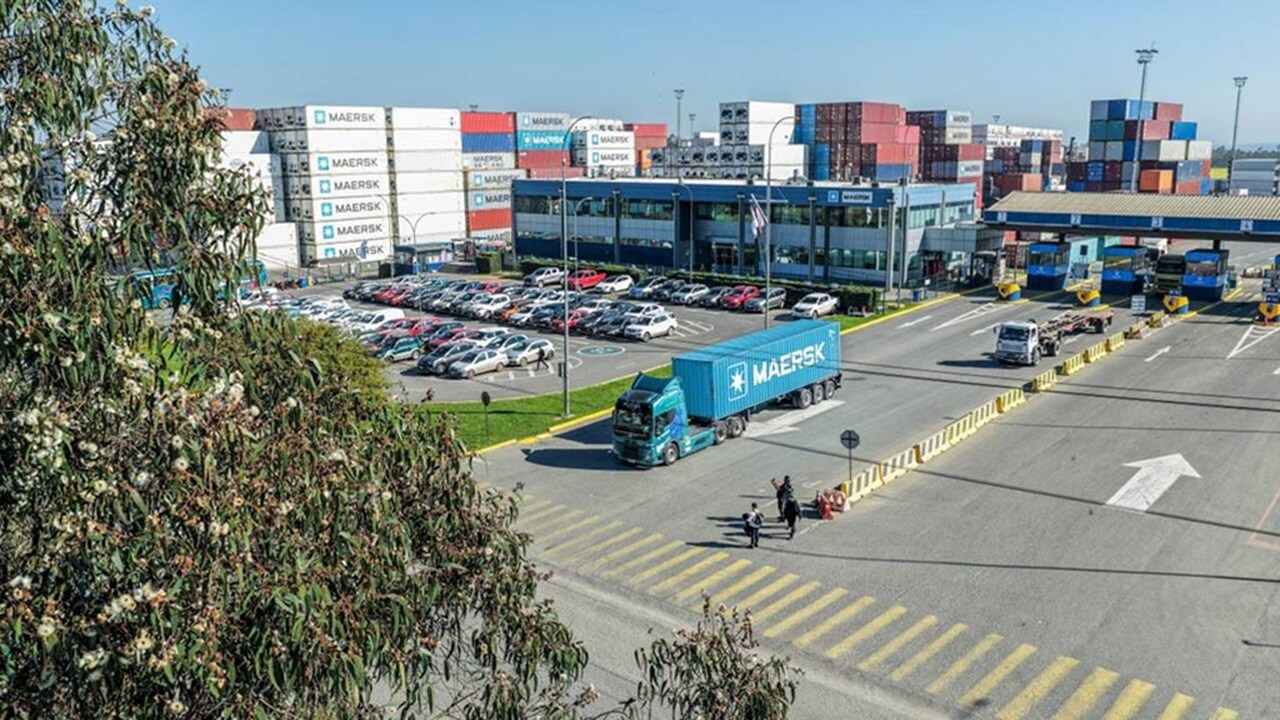
Impacts on Logistics and Regional Competitiveness
While nearshoring and regionalization have created significant opportunities for Latin America, capturing their full potential will depend on the region's ability to strengthen its logistics infrastructure, connectivity, and overall competitiveness. Although several countries have attracted new investments and expanded manufacturing activity, competition remains intense, particularly from Southeast Asian economies that continue to offer strong industrial ecosystems, efficient transportation networks, and favorable business environments.
To improve regional integration and support future trade growth, governments across Latin America are advancing large-scale transportation and infrastructure projects. One of the most notable initiatives is the Capricorn Bioceanic Corridor, which aims to connect Brazil, Paraguay, Argentina, and Chile through a logistics corridor linking the Port of Santos on the Atlantic coast with Chilean Pacific ports, creating an alternative gateway for trade with Asia. Additional projects under evaluation include a potential Brazil-Peru bioceanic railway connection associated with the Port of Chancay, while Chile's Chile on Rails (Chile sobre Rieles) program includes more than US$5 billion in planned investments to modernize rail infrastructure and strengthen freight transportation capacity.
At the same time, logistics hubs across the region are expanding their role in global and regional supply chains. Panama continues to strengthen its position as a distribution and inventory management center through Free Trade Zones and warehousing operations, enabling companies to position products closer to key consumer markets. Costa Rica has consolidated its role in advanced manufacturing, particularly in medical devices and high-value industries, while Guatemala and other Central American countries are attracting investment from manufacturers seeking shorter transit times and greater responsiveness to North American demand. These developments are generating additional demand for warehousing, multimodal transportation, air freight, and regional distribution services, reinforcing the integration of Latin American markets into regional supply chain networks.
The impact is also reflected in trade and investment patterns. According to the Inter-American Development Bank (IDB), Latin America and the Caribbean could potentially increase annual exports by more than US$78 billion if the region successfully captures greater nearshoring-related demand from North America. However, realizing this opportunity will require sustained improvements in infrastructure, trade facilitation, workforce development, and regulatory efficiency.
Despite encouraging progress, several structural challenges remain. Businesses evaluating production and sourcing locations continue to prioritize reliable transportation networks, efficient ports, competitive energy supply, digital infrastructure, institutional stability, and legal certainty. In many parts of Latin America, infrastructure gaps, regulatory complexity, security concerns, and uneven connectivity continue to affect competitiveness when compared with other emerging manufacturing regions.
As supply chains become increasingly regionalized, the ability to move goods efficiently across borders will become a critical differentiator. Countries that continue investing in transportation infrastructure, logistics modernization, and trade facilitation are likely to be better positioned to attract long-term investment and strengthen their participation in evolving global supply chains.

Nearshoring and regionalization are no longer temporary responses to supply chain disruptions. They represent a long-term shift in how companies design production networks, source materials, and move goods across global markets. For Latin America, this transformation presents an opportunity to strengthen its role in international trade by leveraging geographic proximity, natural resources, manufacturing capabilities, and growing regional connectivity. However, attracting and sustaining investment will require continued progress in infrastructure development, trade facilitation, digitalization, and workforce competitiveness. As companies continue to prioritize resilience, flexibility, and proximity to end markets, the countries best positioned to support efficient and integrated logistics networks are likely to play an increasingly important role in the future of global supply chains.
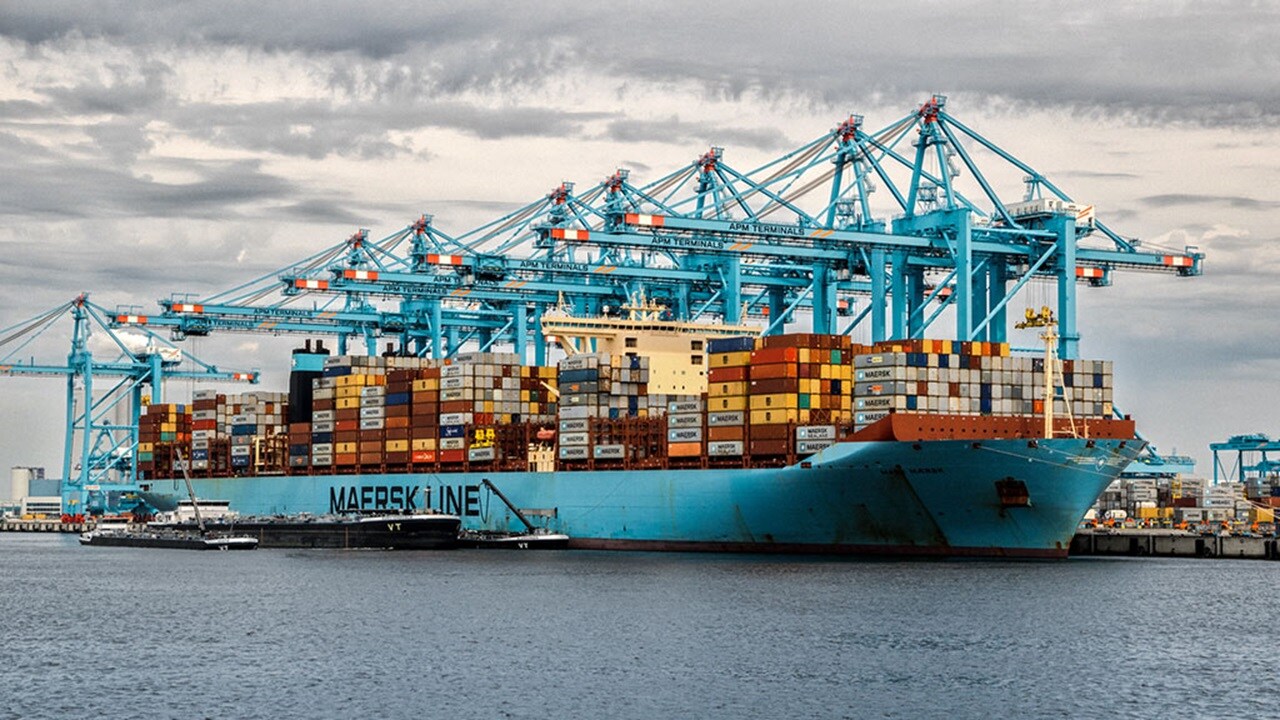
Ocean updates
| Trade lane | Highlights |
|---|---|
|
Trade lane
West Coast South America Exports
|
Highlights
Seasonal network adjustments were applied through the enhanced West Coast Shuttle configuration, supporting continued connectivity between Ecuador, Panama, and Mexico from September.
|
|
Trade lane
West Coast South America Imports
|
Highlights
The West Coast Shuttle will commence operations in September, providing additional regional connections through a three-vessel rotation linking Ecuador, Panama, and Mexico.
|
|
Trade lane
West Coast Asia to West Coast South America
|
Highlights
The AC1 service was updated with a revised weekly rotation connecting Shanghai, Yokohama, Mexico, Colombia, and Panama, effective from August and continuing into September operations.
|
|
Trade lane
West Coast to Intra-Americas
|
Highlights
The new West Coast Shuttle network expands regional connectivity between Mexico, Panama, and Ecuador, with September launch preparations completed.
|
|
Trade lane
West Coast to North America
|
Highlights
Revised West Coast regional shuttle connections continue to support cargo flows through Mexican gateway ports within the broader network structure.
|
|
Trade lane
Central America to North America
|
Highlights
Seasonal adjustments were applied to selected regional rotations to maintain network stability and planned service coverage.
|
Main port status
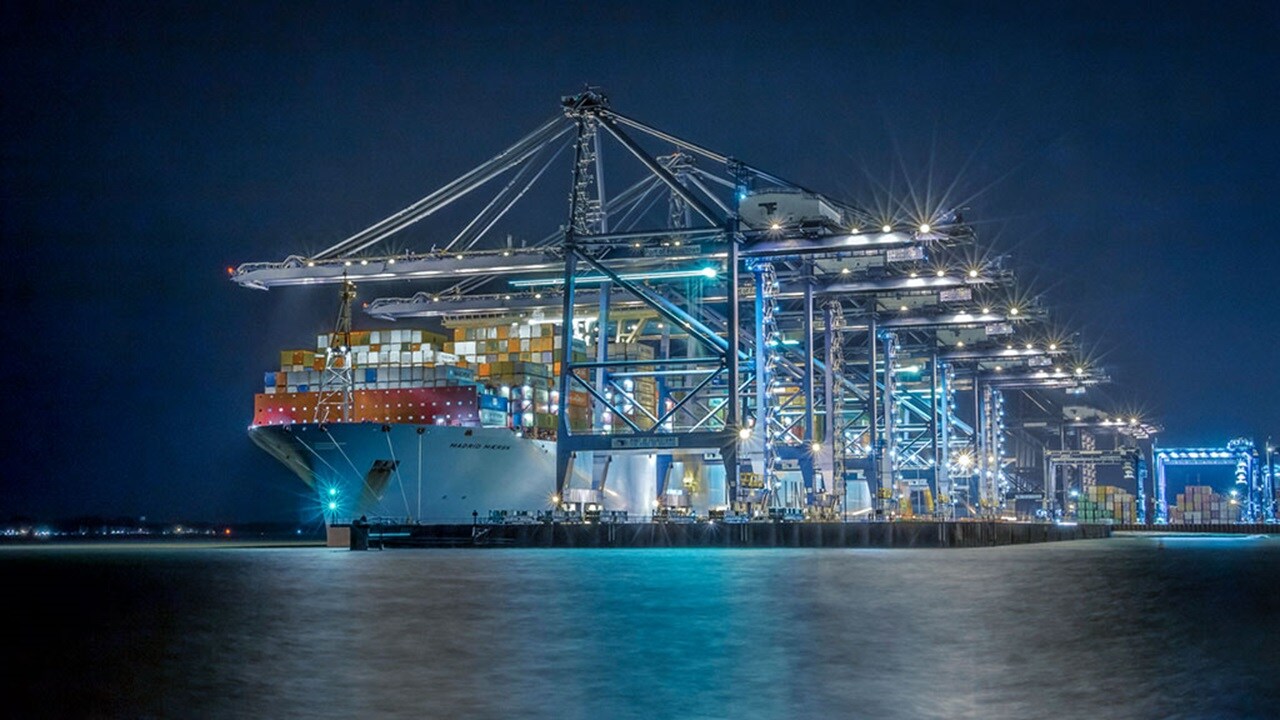
Central America, Andina and the Caribbean Sea Area: Operations across Central America, the Andean region, and the Caribbean continue to support regular vessel activity and cargo flows. In Colombia, port operations have continued progressing in their recovery efforts following the earthquake reported in August, with terminals and logistics stakeholders working collaboratively to maintain service continuity and operational stability. Regional connectivity remains supported through coordinated vessel and terminal operations across key gateways.
East Coast South America Area: Port activity across the East Coast of South America continues to facilitate vessel calls and cargo handling operations through established terminal processes. Regional gateways remain connected through scheduled services that support cargo flows across the network. Continuous coordination among port stakeholders contributes to operational stability and service continuity.
West Coast South America Area: Ports across the West Coast of South America continue to support regional and international trade through ongoing vessel and terminal operations. Key gateways remain integrated within the service network, supporting cargo handling activities and connectivity across the region. Port and terminal coordination continues to facilitate the movement of cargo throughout the network.
Landside
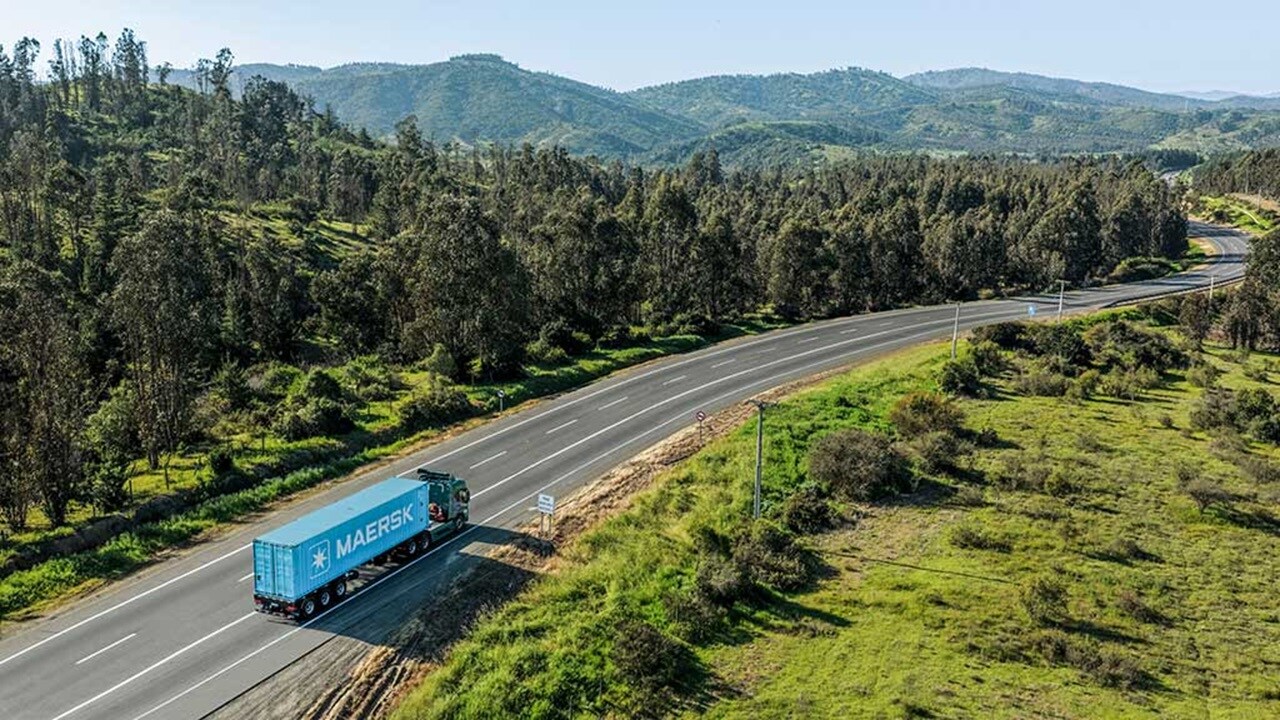
Central America, Andina and the Caribbean Sea Area:Following the earthquake reported in Colombia during August, authorities have progressively reopened key logistics and transportation corridors. As a result, landside operations are continuing to normalize, supporting the smooth movement of cargo and strengthening supply chain continuity across the country. Additionally, Central America continues advancing trade facilitation initiatives through customs modernization, coordinated border management, and the expansion of digital trade platforms, contributing to greater efficiency and visibility for cross-border operations.
East Costa South América Área:Brazil continues advancing strategic logistics and port infrastructure modernization initiatives. Investments in major gateways, including Santos and Paranaguá, are supporting improved operational efficiency, enhanced connectivity, and stronger integration across transport networks. These developments contribute to a more resilient and efficient logistics environment for international trade.
West Costa South América Área: Peru continues strengthening regional trade integration and customs modernization efforts. The implementation of the Peru-Guatemala Free Trade Agreement, together with ongoing digitalization initiatives within the customs administration, is supporting more efficient trade processes, enhanced transparency, and improved regional connectivity for cross-border cargo movements.
Highlights
The missing link in peak season planning: Why depot strategy matters more than ever
Peak season planning has traditionally focused on transportation capacity, inventory levels and distribution centre readiness, but resilience increasingly depends on what happens between those nodes. As supply chains become more dynamic, depot strategy can help you improve inventory flow, maintain flexibility, enhance container readiness and reduce pressure on downstream operations when conditions change. Understanding the role depots play within the inland supply chain can help you better manage uncertainty, control costs and strengthen overall supply chain performance.

Learn more from the global Maersk team
Learn what’s happening in our regions by reading our Market Updates by region.
Europe
North America
Asia Pacific
India Middle East Asia
Be sure to visit our “Insights” pages where we explore the latest trends in supply chain digitalisation, sustainability, growth, resilience, and integrated logistics.


