LinkedIn
 Facebook
 X.com
X.com
 WeChat
 Email
Email

Table of contents
To receive the Maersk Europe Market Update in your inbox, sign up for our logistics newsletter here and update your preferences when prompted via email.
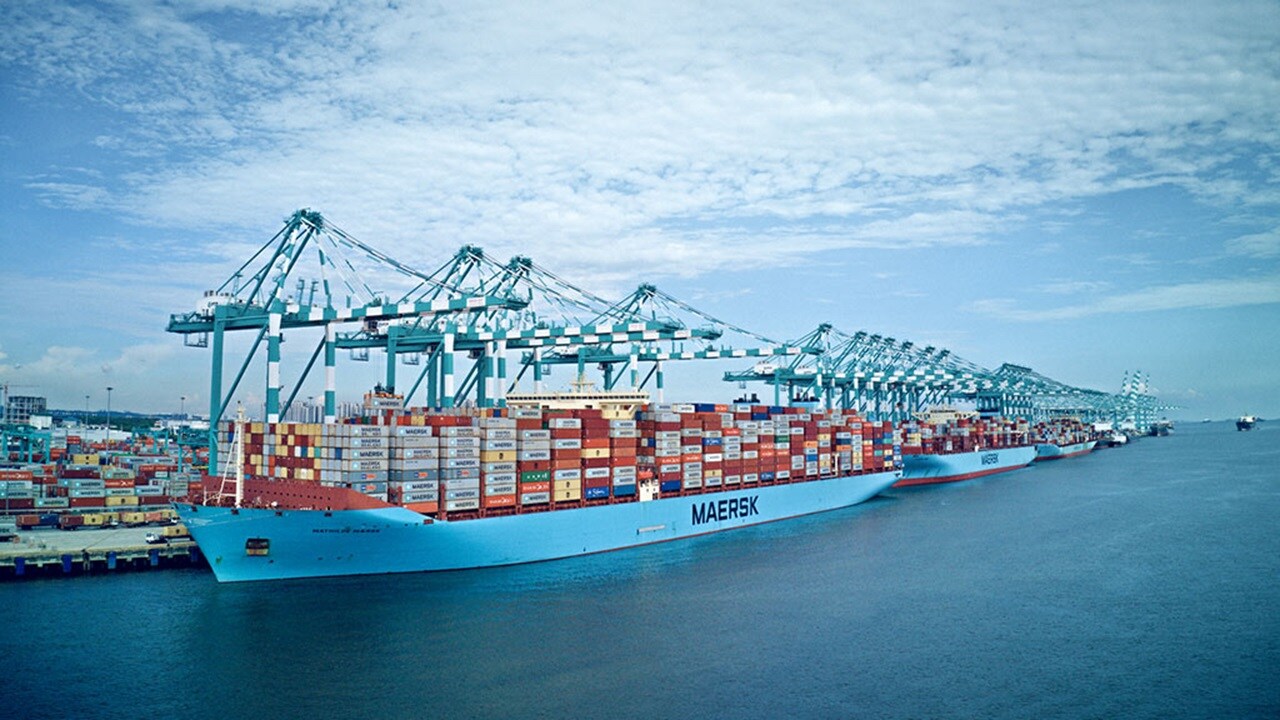
To receive the Maersk Europe Market Update in your inbox, sign up for our logistics newsletter here and update your preferences when prompted via email.
We are continuing to closely monitor the ongoing military conflict in the Middle East and taking proactive measures to protect the safety of our people, assets, and customers’ cargo. Please head to our dedicated page for the latest updates and operational developments.
Across Europe, weather disruptions continue to affect operations in several Mediterranean and North Europe hubs, where recent conditions have caused schedule disruption. An overview of the impact of weather disruption is available on the dedicated advisory page. Forecasts indicate gradual improvement, and we expect performance to stabilise through the coming weeks.
While weather conditions continue to stabilise across the Western Mediterranean terminals, lineup and terminal operations continue to experience pressures due to disruptions of the last several weeks. Yard density remains high, and our teams continue working with the terminals on move and ETA accuracy to ensure smooth planning. Customers are kindly asked to please pick up their import units as soon as possible after discharge, as this will help alleviate pressure on the terminals.
Likewise, in the north of the continent, terminals are facing high yard density. Across several terminals, our teams are seeing an increase in dwell time of import containers and are kindly asking customers to clear longstanding units as soon as possible. If you require support moving cargo from the terminal to its final destination, our Inland Transport Solutions team remains available to assist.
You can receive ETA notifications for your cargo by signing up here.
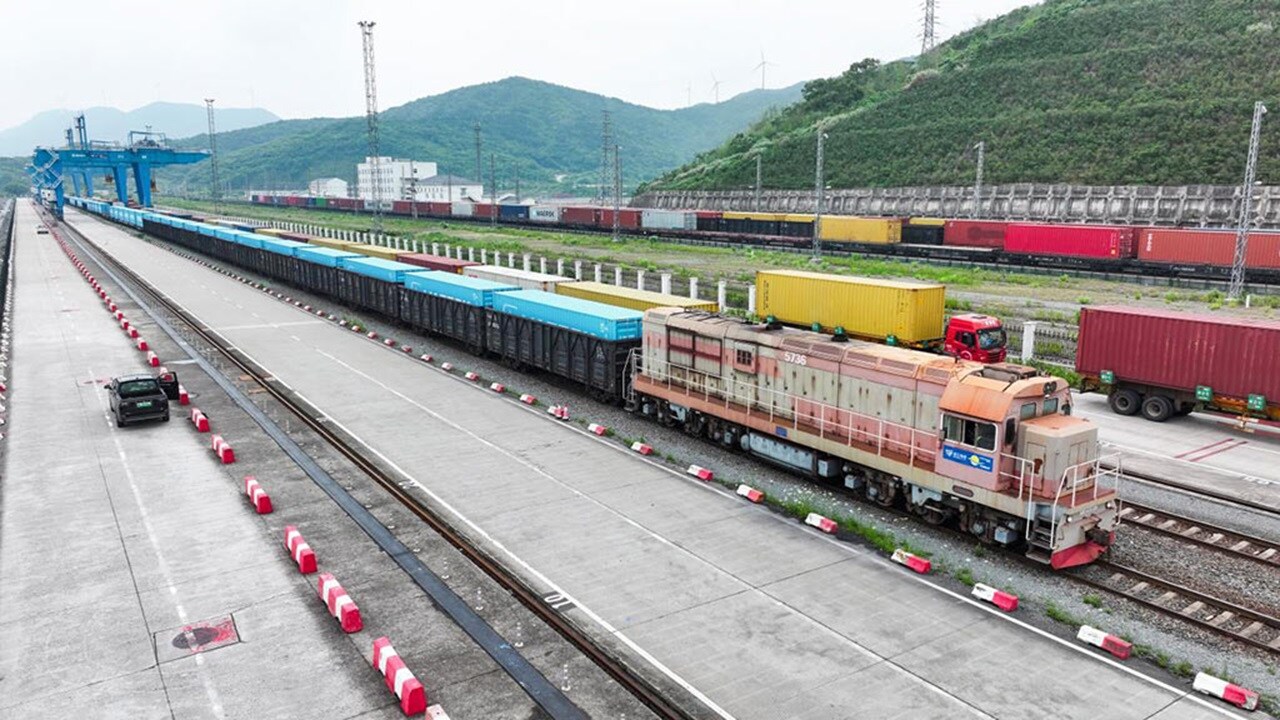
In the south of Europe, storm and severe weather conditions have caused an interruption of rail services between Spain and France. As of 28 February, rail lines have resumed operations in both directions between Barcelona and Lyon (Loire-sur-Rhône), and Barcelona and Toulouse (Fenouillet). This means that the services have returned to normal and the rail network is fully operational. In Toulouse, the depot has officially reopened and is now able to accept bookings.
In Czech Republic, our teams have made changes in the General conditions for Intermodal transportation for the Czech Republic. The new General conditions are effective as of 1 April 2026 and contain two key revisions. The first, related to the maximum allowed and acceptable cargo net weight for domestic trucking, is made to ensure full compliance with local and European legislation. The second revision is related to availability of special equipment, where booking acceptance is subject to approval based on actual stock. For more information, please visit our dedicated advisory page, and for full General conditions, please visit our Inland Services in Czech Republic.
For more information on ways to connect seamlessly with our rail, road, and barge solutions across Europe, please visit our Inland transportation services in Europe.
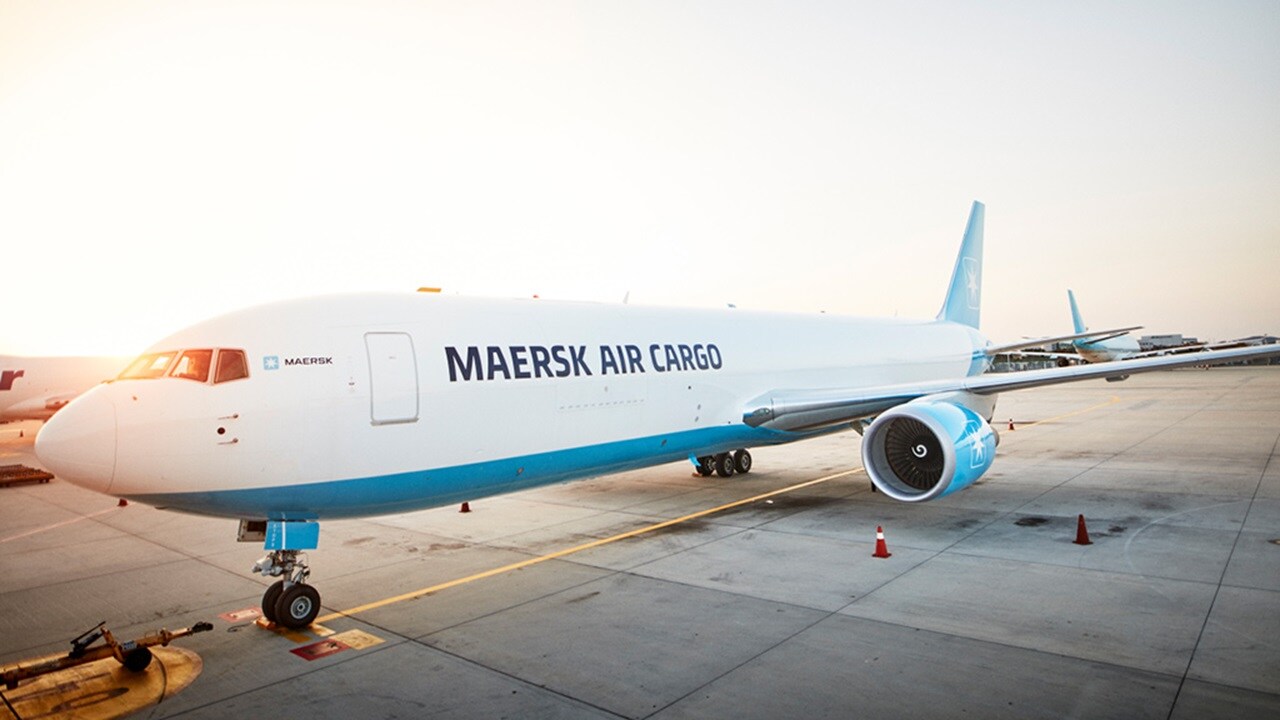
Due to the ongoing situation in the Middle East, several countries like the UAE, Qatar, Bahrain, Kuwait, and Iraq have announced the temporary suspension of their airspaces. Additionally, as a precautionary measure, airlines have also cancelled or re-routed their flights through the region.
The impact on sea ports and ocean operations may also contribute to extended lead times, particularly for Sea Air volumes connecting through the affected hubs. Furthermore, ground movement at the airports and cargo terminals, such as cargo handovers, acceptance, and processing, may be affected where local restrictions or staff shortages occur. Please continue to visit our dedicated page for further updates or reach out to your local Maersk representative.
Please click here to find helpful information about Maersk Air Cargo and our services to and from Europe.

The EU–Mercosur Interim Trade Agreement has taken a significant step forward, with Uruguay and Argentina completing their ratification processes and the European Commission confirming that it will move to provisional application once Brazil and Paraguay follow. When in force, EU traders will be able to access preferential tariff rates on goods moving between the EU and Mercosur members (Argentina, Brazil, Paraguay, Uruguay), with around 90% of tariffs phased out over time and duty‑free quotas introduced for selected agricultural products. However, full implementation is still subject to a Court of Justice review later this year after a legality challenge from the European Parliament, meaning some legal uncertainty will continue in the near term.
Companies should review product classifications to identify where tariff reductions apply, assess whether their goods qualify for preferential origin under the new rules, and prepare internal teams for changes to duty rates and quota management. As ratification by the remaining Mercosur partners is still pending, and the Court’s ruling could influence the final scope of the agreement, traders should monitor developments closely. Read more about it here.
Elsewhere, in the UK, HMRC has introduced several enhancements to the Get Customs Data service (previously MSS), giving importers and exporters a clearer and more accurate picture of their customs activity. Reports are now based on the clearance date rather than the acceptance date, which helps businesses align customs data more closely with the actual movement of goods. From 1 April, the service will also begin capturing XI EORI information, significantly improving visibility of shipments involving Northern Ireland and tightening the audit trail for movements across supply chains.
These changes should make reconciliation easier and bring customs information into better alignment with ERP systems and internal reporting. To get the most value from the update, businesses should ensure their details are current, refresh reporting templates to use clearance dates, and download updated historical datasets so future reporting remains consistent. Click here for more information.
Please don’t hesitate to reach out to our Global Trade and Customs Consultants if you require support with your customs operations.

This March, our teams are focusing on the growing role of carrier connectors and how they are shaping the way businesses integrate with multi-carrier last-mile solutions.
Speed and simplicity of integration are becoming critical differentiators as ecommerce continues to scale. In that sense, connectors act as a plug-and-play bridges between webshops, warehouse management systems, and carriers. Instead of building bespoke integrations, customers can activate these services through pre-built APIs that enable label generation, tracking, returns, and access to out-of-home delivery options. As a result, they benefit from significantly faster onboarding and a reduced workload for customer IT teams.
This shift towards standardised, API-driven connectivity reflects a broader industry trend. The API management market itself is projected to reach $13.7 billion by 2027, while low-code development platform market is projected to reach $44.5 billion by 2026.
In line with the market developments and outlook, our teams have been actively working on developing strategic connector partnerships. These platforms enable outbound and returns label generation, end-to-end tracking via webhooks, and seamless integration into multi-carrier environments. By consolidating volume through these integrations, we not only optimise cost structures but also create scalable, repeatable onboarding journeys for customers across regions.
In parallel, we continue to support additional connectors on a customer-led basis. In these cases, timelines and go-live dates are driven by the customer’s own roadmap, while our teams facilitate the technical connection and ensure API compatibility. This flexible approach ensures we can meet customers wherever they are in their digital maturity journey.
As marketplaces expand, cross-border volumes increase, and consumer expectations for visibility and flexibility continue to rise, connectors will play an even more central role in enabling scalable growth. Our teams remain focused on expanding our connector ecosystem and securing additional partnerships to further streamline integration and enhance customer choice.
Our teams are on hand to discuss API and connector solutions and how your business can stay ahead of the game. Find out more about our Ecommerce delivery solutions for your business by visiting our E-Delivery page.
To sign up for the Maersk Europe customer newsletter, click here and update your preferences when prompted via email.
Check Maersk market updates from across other regions by clicking here.

Receive our insights directly in your mailbox by signing up through this form and enter a world of truly integrated logistics. Get inspired by our selection of articles that help you navigate supply chains, understand industry trends, and shape your logistics strategy. You can unsubscribe anytime.
Sorry but we were unable to sign you up for newsletters.